Project Overview
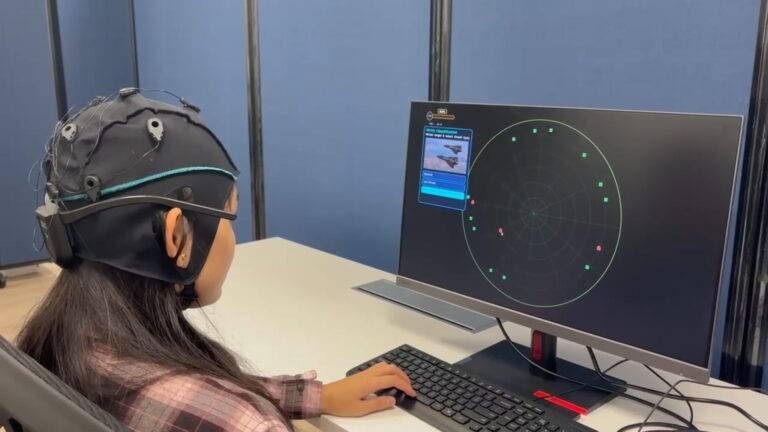
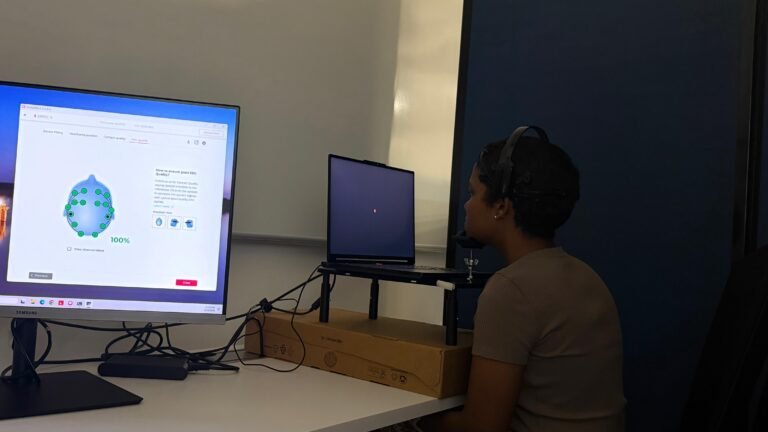
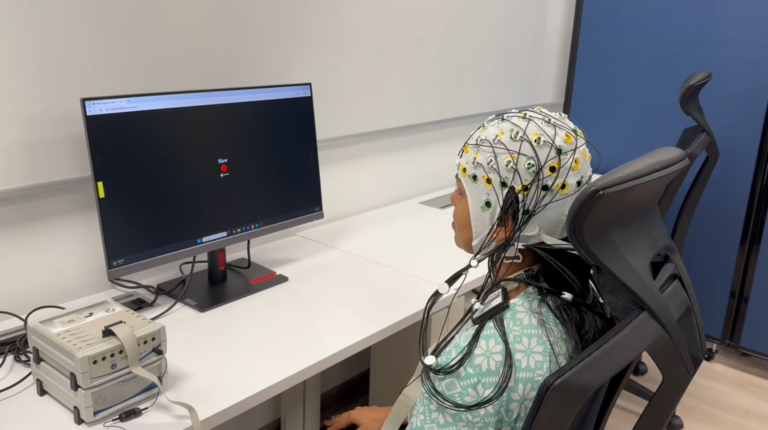
This project develops real-time neurofeedback-driven 3D games for cognitive rehabilitation of children with acquired brain injury (ABI), combining brain-computer interface technology with engaging game-based training.
Background
Acquired brain injury is non-congenital brain damage occurring after birth due to events such as accidents, falls or illness. Children with ABI can experience lasting impairments in sustained attention, selective attention, response time and working memory, which can affect learning and daily functioning.
Motivation
Traditional rehabilitation approaches such as paper-based tasks, puzzles, exercises and activity adaptation can be time-consuming, non-personalised and less engaging for children. This work investigates a brain-driven rehabilitation approach using neurofeedback and interactive 3D games.
Objectives
- Make rehabilitation engaging, personalised and brain-driven using real-time neurofeedback.
- Develop a multi-function rehabilitation game targeting response time, selective attention and sustained attention.
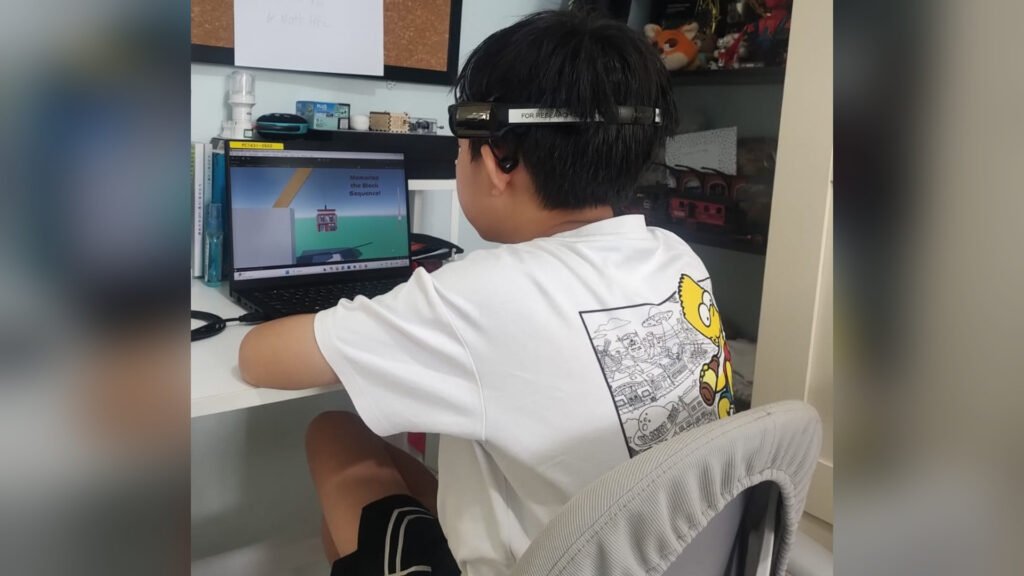
- Develop a working-memory-focused game targeting working memory and sustained attention.
- Investigate electrophysiological brain parameters associated with cognitive impairment and rehabilitation.
Developed Games
Game A targets response time together with selective and sustained attention. Game B focuses on working memory and sustained attention. The neurofeedback loop links EEG-derived cognitive information to the game environment so that training can be interactive and responsive.
Potential Impact
The project explores an engaging rehabilitation approach that may complement conventional therapy for children with acquired brain injury and provide objective electrophysiological information during training.