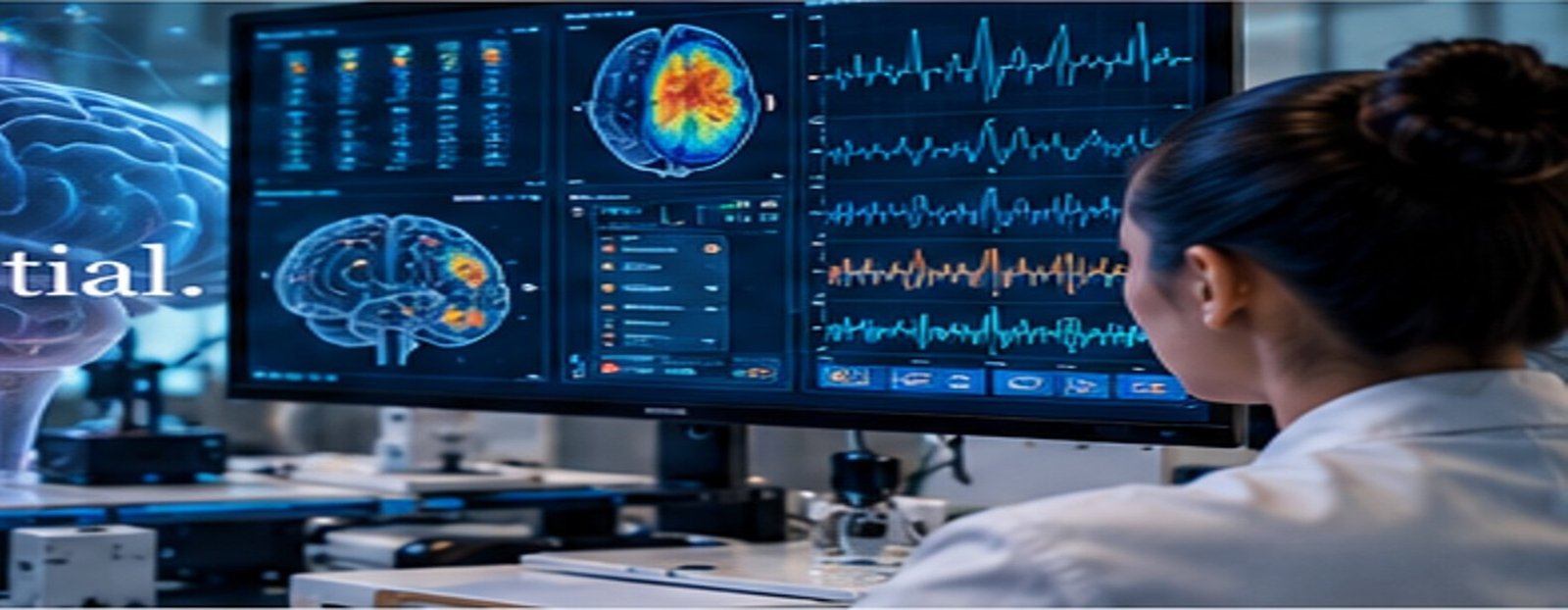
Brain-machine interface research laboratory with neural imaging and EEG signal analysis

Our Research

Understanding the brain.
Improving human potential.

Our Research Landscape

Neurorehabilitation and Assistive Neurotechnology

Supporting recovery, function and independence through brain-guided technology.

Cognitive Health and Neurodevelopment

Attention, memory and learning across development and cognitive ageing.

Cognitive Performance and Training

Strengthening cognitive readiness for demanding real-world environments.

Consumer Neuroscience and Neuromarketing

Understanding attention, emotion, preference and consumer decisions.

Visual Health and Neurodiagnostics

Brain-response methods for visual-function and visual-health assessment.

Mental Health and Affective Neurotechnology

Brain and physiological approaches to emotion, stress and wellbeing.

Discover how this research landscape is reflected in our work.

Explore Projects
Key Concepts

Research foundations

Core concepts used across our Research.

Brain–Computer Interface (BCI)

A direct communication pathway between brain activity and an external device, without relying on the brain’s usual muscular output.

Electroencephalography (EEG)

A non-invasive technique that measures the brain’s electrical activity through sensors placed on the scalp.

Motor Imagery

Mental rehearsal of a movement without physically performing it, producing measurable changes in brain activity.

Neurofeedback

Real-time feedback of measured neural activity that helps users learn to modulate brain responses.

Cognitive Neurorehabilitation

Brain-based training and neurotechnology approaches designed to support cognitive recovery and function.

Human–Computer Interaction (HCI)

The design and evaluation of computer systems that facilitate effective interaction between humans and technology.

Machine Learning for BMI

Computational models that learn patterns in neural signals for decoding, classification and adaptive systems.

Affective Computing

Methods that incorporate emotional and cognitive states into responsive human–machine interaction systems.